GEDI
Black Friday Is Here
No need to wait for Friday.
20% OFF
Use code at checkoutBF20
Buy 2 watches
Get 1 free initial keyring
 Skip to content
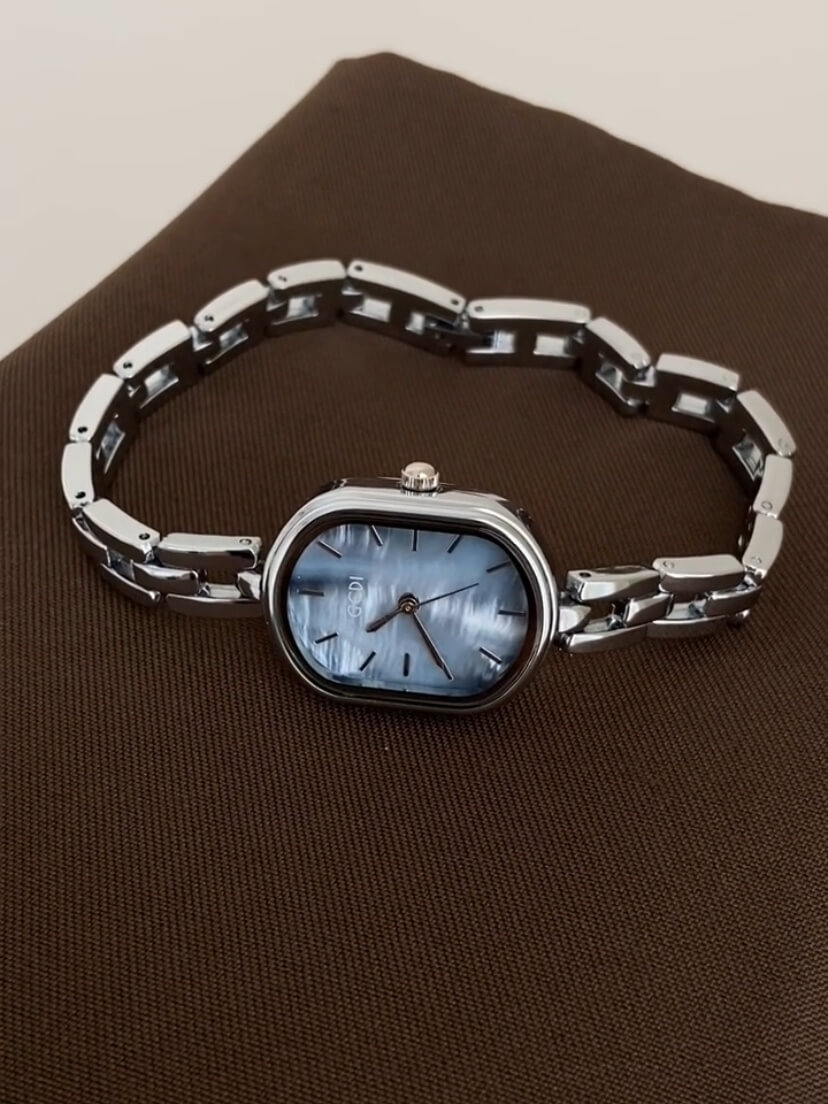
When you purchase a watch, whether it’s an elegant analog piece or a sophisticated digital model, you expect it to serve you well over the years. But just like any electronic device, the battery in your watch will eventually need attention. The lifespan of a watch battery can vary significantly depending on various factors, and understanding these factors can help you extend the life of your watch and ensure it continues to perform optimally.
In this guide, we’ll explore how long watch batteries typically last, what factors influence their lifespan, and how you can take care of your watch to prolong its battery life.
Table of Contents
Before we dive into how long a battery lasts, it’s important to understand how watch batteries function. Watches—especially quartz models—rely on small batteries that power the timekeeping movement. Unlike mechanical watches that operate through springs and gears, quartz watches use an electronic movement powered by a battery.
There are two main types of watch batteries: silver oxide batteries and lithium batteries, with a few other variations for specialized models. The most common battery found in standard quartz watches is the silver oxide battery. These are small, round cells and are ideal for watches that don’t have a lot of features beyond basic timekeeping.
For more advanced digital watches or watches with additional functions, lithium batteries are used. These have a higher capacity and are capable of supporting more features, such as digital screens, backlighting, GPS, or heart rate sensors.
The type of battery your watch uses is one of the key factors in determining its lifespan. Watches that require higher-powered batteries, like those with more features or smartwatches, will drain the battery faster than simpler, traditional quartz models.
Quartz watches are known for their accuracy, affordability, and low-maintenance nature. One of the standout features of quartz watches is their impressive battery life, which can last for years before needing a replacement. However, just like any battery-powered device, various factors can affect how long a quartz watch’s battery lasts. Whether you’re a first-time buyer or a long-time quartz watch wearer, understanding these key factors will help you get the most out of your timepiece.
The type of quartz movement used in the watch can have a significant impact on its battery life. There are mainly two types of quartz movements: standard quartz and high-torque quartz.
The size and type of battery used in your quartz watch plays a crucial role in determining how long it will last. Watches with larger batteries tend to have longer battery life, though the size of the battery is often determined by the size of the watch and its movement.
While a standard quartz watch with just the basic time-keeping functions (hours, minutes, seconds) is generally very energy-efficient, adding extra features can drain the battery faster. Some common features that can affect battery life include:
In quartz watches, there’s a clear distinction between analog and digital movements, and the type of display you have can influence the battery life.
Like any battery-powered device, the environment in which you wear your quartz watch can impact its battery life. Extreme temperatures, both hot and cold, can influence the efficiency of the battery.
Some quartz watches come equipped with power-saving features that can extend the life of the battery. For example, many modern watches with digital displays feature auto power-off modes or sleep modes that turn off the display when not in use.

One of the reasons quartz watches are so popular is their low maintenance requirements. Unlike automatic watches, which require regular winding, quartz watches only need a battery change once every 1-3 years. However, neglecting to replace the battery on time can cause damage to the watch’s movement, so it’s essential to have your battery replaced before it dies completely.
The battery life of a quartz watch can vary depending on multiple factors, such as the type of movement, additional features, and environmental influences. By considering these factors and choosing a watch with the right features for your lifestyle, you can enjoy the reliability and accuracy of a quartz timepiece without the need for constant battery changes.
If you prefer a hassle-free experience, opt for a basic analog quartz watch with minimal complications. If you’re someone who loves features but wants longer battery life, look for a model that uses eco-friendly or low-power technology.
Ultimately, understanding the factors that influence battery life will help you choose the perfect quartz watch that suits your needs, style, and convenience.
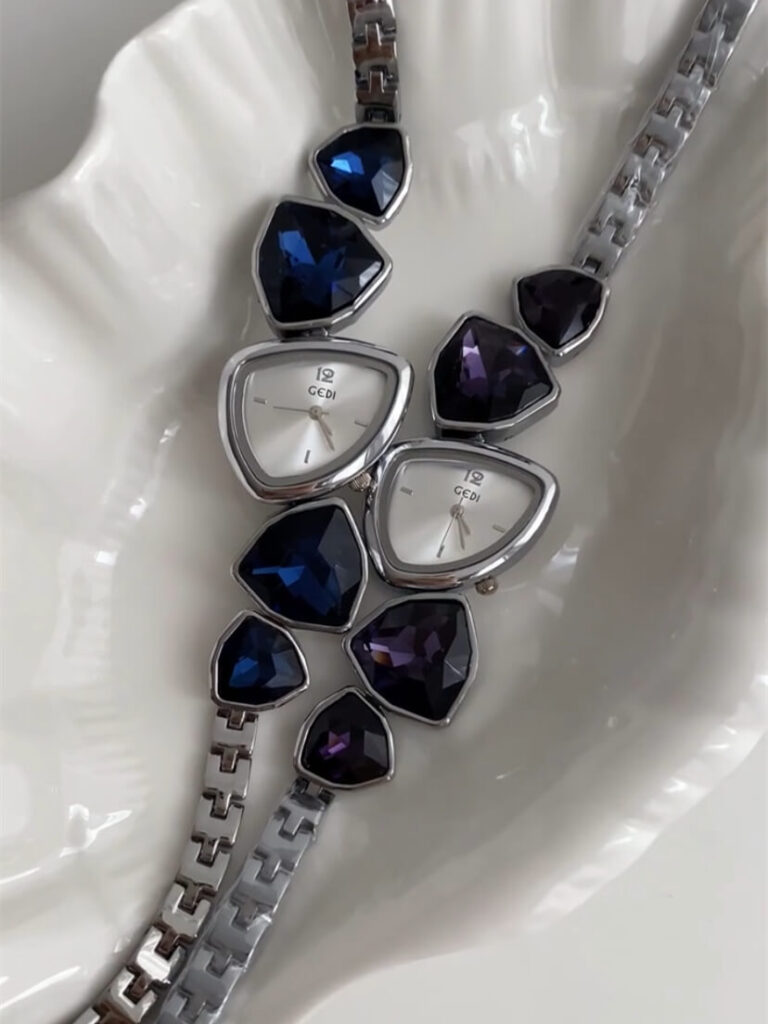
The lifespan of a watch battery depends on its type and the watch’s features. Below is a detailed breakdown of average battery lifespans for different types of watches:
There are several steps you can take to prolong the lifespan of your watch battery, regardless of the type. Here are some practical tips to help you make the most out of your battery:
Keep your watch out of extreme heat or cold. As mentioned earlier, both heat and cold can damage the battery, so store or wear your watch in more moderate conditions. When storing a watch for an extended period, place it in a cool, dry place.
If your watch has extra features like backlighting, alarms, or notifications, turn them off when not in use. The more functions you activate, the faster the battery will drain. For digital or smartwatches, consider switching off Bluetooth or the GPS when you don’t need it.
If you’re not wearing your watch daily, make sure it’s stored properly. For watches with rechargeable batteries or solar-powered models, place them under indirect sunlight regularly to keep them charged. For quartz models, removing the battery if not used for long periods can help preserve its power.
Especially for smartwatches, check the battery status regularly so you can replace it before it dies completely. This avoids strain on the watch’s internal components and prevents the risk of the battery leaking.
If you notice your watch’s performance slowing down or the battery losing its charge faster than usual, it may be time to replace the battery. Regular battery replacements ensure that your watch runs smoothly and continues to function as intended.
Watch batteries, though small in size, are crucial to the functioning of your timepiece. Whether you own a basic quartz watch, a feature-packed digital model, or a high-tech smartwatch, understanding the lifespan of your watch battery and knowing the factors that influence it can help you maintain your watch in top condition.
By taking proper care of your watch, avoiding extreme temperatures, turning off unneeded features, and replacing the battery when necessary, you can maximize the lifespan of your watch battery and ensure that your watch continues to be a reliable accessory for years to come.
 Optimized by Seraphinite Accelerator